
Nat Geo Wild TV Guide: A Comprehensive Overview (as of 05/04/2026)
Navigating Nat Geo Wild’s programming requires understanding network address translation (NAT) and its impact on streaming quality‚ especially for gaming platforms like Xbox․
Understanding Nat Geo Wild
Nat Geo Wild is a prominent television channel dedicated to wildlife and nature programming‚ offering an immersive viewing experience for enthusiasts of all ages․ Its core appeal lies in delivering high-quality documentaries‚ series‚ and specials that showcase the beauty‚ complexity‚ and fragility of the natural world․ The channel distinguishes itself through a commitment to conservation and environmental awareness‚ frequently highlighting critical issues facing various ecosystems and species․
However‚ accessing this content smoothly relies on understanding underlying network technologies․ Network Address Translation (NAT)‚ commonly handled by modems or routers‚ enables multiple devices to share a single public IP address․ While NAT addresses IPv4 limitations and enhances security by masking private network addresses‚ it can impact streaming quality‚ particularly for peer-to-peer connections and UDP-based applications․ Different NAT types (A‚ B‚ C‚ D) affect online gaming experiences‚ as seen with titles like Splatoon 3‚ where NAT type B can introduce instability․
What is Nat Geo Wild?

Nat Geo Wild is a globally recognized television channel‚ a cornerstone of nature-based entertainment and education․ It’s a destination for captivating wildlife documentaries‚ immersive series‚ and compelling specials‚ broadcasting the wonders of the animal kingdom and the natural world․ The channel’s programming isn’t merely entertainment; it actively promotes conservation efforts and raises awareness about pressing environmental challenges․
Interestingly‚ the seamless delivery of this content is intrinsically linked to network infrastructure‚ specifically Network Address Translation (NAT)․ NAT‚ often managed by home routers‚ allows multiple devices to connect to the internet using a single public IP address․ While NAT solves IPv4 address scarcity and boosts security‚ it can introduce complexities․ For instance‚ Xbox gaming performance can be affected by NAT type‚ with certain configurations potentially causing connectivity issues․ Understanding NAT’s role – converting private to public addresses‚ or even V4 to V6 – is crucial for optimal viewing․
Channel Availability & Platforms
Nat Geo Wild boasts extensive availability across numerous platforms‚ ensuring broad accessibility for nature enthusiasts․ Traditionally delivered via cable and satellite providers‚ the channel is increasingly accessible through streaming services and on-demand options․ This multi-platform approach reflects the evolving viewing habits of audiences․
However‚ accessing Nat Geo Wild’s content smoothly often depends on your home network configuration‚ particularly concerning Network Address Translation (NAT)․ Different NAT types – typically A to D‚ with A being the most open – can influence streaming quality‚ especially for interactive experiences․ For gamers using platforms like Xbox‚ a restrictive NAT type (like B or C) might hinder online gameplay․ Router settings and‚ sometimes‚ coordination with your internet service provider are necessary to optimize NAT configuration; Furthermore‚ the transition from IPv4 to IPv6 impacts NAT’s functionality‚ potentially requiring adjustments for seamless content delivery․

Core Programming Themes
Nat Geo Wild’s programming fundamentally revolves around the natural world‚ showcasing wildlife‚ conservation efforts‚ and exploration․ Core themes include animal behavior‚ often presented through intimate documentary series‚ and the challenges faced by endangered species․ The channel frequently highlights the interconnectedness of ecosystems and the impact of human activity․
Interestingly‚ the delivery of this content‚ like all streaming media‚ is affected by network infrastructure‚ specifically Network Address Translation (NAT)․ While not a programming theme per se‚ NAT impacts viewing quality; A stable network connection‚ facilitated by optimal NAT configuration‚ is crucial for uninterrupted viewing․ The channel’s focus on remote locations and wildlife often necessitates robust streaming capabilities․ Furthermore‚ the shift towards IPv6 addresses the limitations of IPv4‚ potentially streamlining NAT processes and improving content delivery․ Understanding these technical aspects enhances the overall viewing experience of Nat Geo Wild’s captivating content․
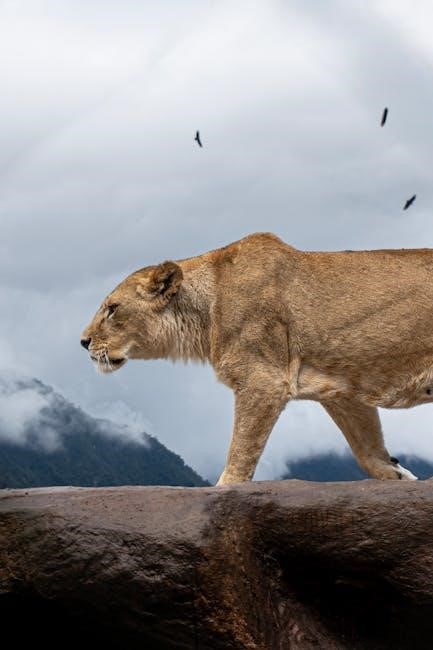
Current Programming Highlights (May 4th‚ 2026)
Tonight’s schedule features a deep dive into predator-prey dynamics‚ alongside a special report on conservation initiatives; streaming quality relies on stable NAT configurations․
Prime Time Schedule
As of May 4th‚ 2026‚ at 19:48:05‚ Nat Geo Wild’s prime time lineup is heavily focused on immersive wildlife documentaries․ Starting at 8:00 PM EST‚ “Serengeti Nights” unveils the nocturnal behaviors of African predators‚ followed at 9:00 PM EST by “Untamed Amazon‚” exploring the river’s biodiversity․
At 10:00 PM EST‚ a special two-hour block is dedicated to “Coral Reef Rescue‚” documenting ongoing conservation efforts․ Viewers should note that consistent streaming of these high-definition programs requires a stable internet connection and optimal Network Address Translation (NAT) settings on their home networks․
Specifically‚ NAT type B may experience occasional buffering‚ particularly during peak usage times․ Gamers utilizing Xbox consoles should verify their NAT settings for optimal performance․ The schedule is subject to change based on live events and breaking wildlife news‚ so checking local listings is always recommended․ On-demand options are also available via the Nat Geo Wild app․
Documentary Series Focus
Currently‚ Nat Geo Wild’s documentary series prioritize conservation and the delicate balance of ecosystems․ “Hidden Kingdoms‚” airing throughout May 2026‚ delves into the lives of lesser-known animal species‚ emphasizing their crucial roles․ “Predators Up Close” continues its run‚ offering intimate portraits of apex predators and their hunting strategies․
A new series‚ “Ocean Guardians‚” premiered on May 1st‚ focusing on marine conservationists and their efforts to protect endangered species․ These series often highlight the impact of human activity on wildlife‚ prompting viewers to consider environmental responsibility․
Streaming quality for these documentaries‚ particularly in 4K‚ can be affected by Network Address Translation (NAT) configurations․ NAT type A generally provides the most stable connection‚ while type B may experience occasional interruptions․ Viewers experiencing buffering should consult their router settings or contact their internet service provider․ The network’s address translation impacts viewing experiences․
Wildlife Specials & Events
May 4th‚ 2026‚ features the premiere of “Serengeti: Legacy of the Marsh‚” a two-hour special documenting the long-term effects of climate change on the Serengeti ecosystem․ This event coincides with World Wildlife Day‚ amplifying its message of conservation․ Throughout May‚ Nat Geo Wild will air themed “Wild Nights” featuring back-to-back episodes centered around specific animal groups – big cats‚ primates‚ and birds of prey․
A live broadcast‚ “Rhino Rescue‚” scheduled for May 15th‚ will follow a team of veterinarians as they relocate endangered rhinos to a safer habitat․ Streaming this live event requires a stable internet connection; NAT type can influence the quality․ Type B NAT may cause buffering‚ while Type A generally provides a smoother experience․
Upcoming events include a dedicated week focusing on underwater exploration‚ showcasing the latest discoveries in marine biology․ These specials often leverage advanced filming techniques to bring viewers closer to the action․

Decoding the TV Guide
Understanding Nat Geo Wild listings involves recognizing time zones and symbols; NAT configuration impacts streaming․ Accurate interpretation ensures optimal viewing‚ avoiding disruptions․
Reading a Nat Geo Wild TV Listing
Deciphering a Nat Geo Wild TV listing goes beyond simply noting the program title and time․ Listings typically include a program code‚ a brief synopsis‚ and potentially viewer guidance ratings․ Pay close attention to the duration – is it a half-hour episode or a full hour special? Often‚ listings will denote if a program is part of a series or a standalone event․
Furthermore‚ understanding abbreviations is crucial․ “HD” signifies High Definition broadcast quality‚ while “CC” indicates Closed Captioning availability for viewers who are deaf or hard of hearing․ Some listings may also include a “D” for Dolby Digital sound․ Newer guides might indicate streaming availability alongside the traditional broadcast time․
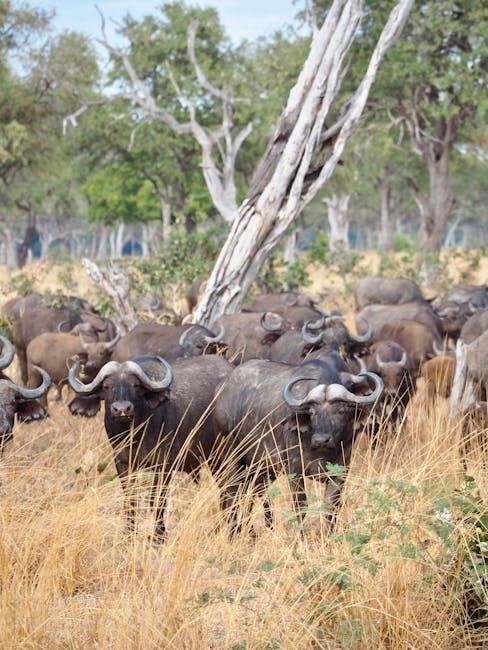
Crucially‚ remember that accurate interpretation relies on correctly identifying your local time zone․ Network Address Translation (NAT) types‚ while primarily affecting streaming‚ can indirectly influence viewing if you’re relying on on-demand services or streaming apps‚ as NAT configuration impacts connection stability․ Always cross-reference the listed time with your local schedule to avoid missing your favorite wildlife programs․
Understanding Time Zones
Accurate program scheduling on Nat Geo Wild‚ like all television networks‚ is heavily reliant on correctly identifying and applying time zones․ The United States‚ for example‚ encompasses six primary time zones: Eastern‚ Central‚ Mountain‚ Pacific‚ Alaska‚ and Hawaii․ Listings typically denote times as “ET‚” “CT‚” “MT‚” or “PT‚” respectively․ However‚ discrepancies can occur due to Daylight Saving Time (DST) adjustments․
DST‚ observed during warmer months‚ shifts the clock forward by one hour‚ impacting broadcast times․ Always verify if DST is currently in effect in your region․ Furthermore‚ cable and satellite providers may operate on a different time zone than your local area‚ potentially causing confusion․
Network Address Translation (NAT) doesn’t directly relate to time zones‚ but a stable internet connection – influenced by NAT configuration – is vital for accurate program guides on streaming platforms․ Confirm your TV or streaming device’s time zone settings are correct to ensure you’re viewing programs at the intended broadcast time․ Misaligned time zones lead to missed shows and frustrating viewing experiences․
Key to TV Guide Symbols
Decoding the Nat Geo Wild TV guide requires understanding its symbols․ “HD” signifies High Definition broadcasts‚ offering superior picture quality – dependent on a stable internet connection and potentially affected by Network Address Translation (NAT) type for streaming․ “CC” denotes Closed Captioning‚ providing text transcripts for accessibility;
“V” indicates the program is presented in Stereo sound‚ while “D” signifies Dolby Digital surround sound for an immersive audio experience․ A “(S)” symbol denotes a repeat broadcast‚ allowing viewers to catch up on missed episodes․ Some guides use a “P” to indicate a program is a premiere‚ or a first-time showing․
Pay attention to symbols indicating parental guidance ratings‚ such as “TV-PG” or “TV-14‚” to ensure content suitability․ Streaming platforms may utilize different symbols․ Understanding these symbols enhances your viewing experience and allows for informed channel surfing‚ even with varying NAT configurations impacting streaming quality․

Technical Aspects of Viewing
Optimal viewing hinges on NAT configuration; hardware NAT may limit features like traffic statistics‚ while software NAT offers greater control and flexibility․
NAT (Network Address Translation) & Streaming
Network Address Translation (NAT) plays a crucial‚ often unseen‚ role in delivering Nat Geo Wild content․ Essentially‚ NAT allows multiple devices within a private network – your home – to share a single public IP address provided by your internet service provider․ This is vital given the limitations of IPv4 addresses․
However‚ NAT isn’t without its implications for streaming․ While basic browsing and video playback are usually unaffected‚ scenarios demanding direct‚ peer-to-peer connections‚ particularly those utilizing UDP‚ can experience issues․ This is because NAT introduces a layer of address translation that can hinder direct communication․
For gamers accessing Nat Geo Wild content via streaming apps on platforms like Xbox‚ NAT type becomes significant․ Different NAT types (A-F‚ with A being the most open) impact connectivity and stability․ A more restrictive NAT type (like B or C) might lead to intermittent buffering or connection problems․ Understanding your NAT type and potentially configuring your router accordingly can optimize your viewing experience․
NAT Types & Streaming Quality (Xbox & Gaming Relevance)
Xbox utilizes a NAT system impacting Nat Geo Wild streaming‚ mirroring its effect on gaming; NAT types range from Open (Type A) to Strict (Type F)‚ influencing connection stability․ Type A allows unrestricted communication‚ ideal for seamless streaming and multiplayer experiences․ Types B and C introduce moderate restrictions‚ potentially causing buffering or lag during peak hours․
Types D‚ E‚ and F are increasingly restrictive‚ often resulting in connectivity issues․ Specifically‚ with Nat Geo Wild‚ a stricter NAT can hinder access to live events or interactive features within streaming apps․ While some games function adequately with Type B‚ stability can be inconsistent‚ as observed with certain titles․
Determining your Xbox NAT type is crucial․ Accessing network settings reveals this information․ If experiencing issues‚ consider router configuration‚ potentially enabling port forwarding or requesting a DMZ setup from your ISP․ However‚ proceed cautiously‚ as these adjustments can impact network security․ Prioritizing an Open NAT type generally ensures the best Nat Geo Wild streaming quality․
Router Settings & NAT Configuration
Optimizing your router settings is key for smooth Nat Geo Wild streaming‚ particularly concerning NAT configuration․ Most routers offer varying NAT levels – Open‚ Moderate‚ and Strict – directly impacting connectivity․ Accessing your router’s interface (typically via a web browser using its IP address) allows modification of these settings․
For optimal performance‚ aim for an “Open” NAT․ This often involves enabling UPnP (Universal Plug and Play)‚ which automatically configures port forwarding․ However‚ UPnP can pose security risks; consider manual port forwarding as a safer alternative․ Specific ports required for streaming services like Nat Geo Wild’s app may need to be opened․
Hardware NAT‚ often enabled by default‚ can sometimes limit CPU processing for advanced features like traffic monitoring․ Disabling it shifts the workload to the CPU‚ potentially improving performance but increasing resource usage․ Remember to reboot your router after any configuration changes․ If issues persist‚ contacting your ISP for assistance with NAT settings is recommended․
Hardware NAT vs․ Software NAT
Distinguishing between Hardware and Software NAT is crucial for optimizing Nat Geo Wild streaming performance․ Hardware NAT‚ implemented directly within the router’s firmware‚ offloads processing from the CPU‚ resulting in faster speeds but potentially limiting advanced features․ It’s generally efficient for basic internet usage․
Software NAT‚ conversely‚ utilizes the router’s CPU to handle network address translation․ While potentially slower than hardware NAT‚ it offers greater flexibility and control‚ enabling features like traffic shaping‚ detailed logging‚ and precise port forwarding – vital for consistent streaming quality of Nat Geo Wild content․
Disabling hardware NAT often unlocks these advanced functionalities‚ but increases CPU load․ If you experience buffering or connectivity issues‚ experimenting with both settings is advisable․ Consider your router’s processing power; older or less powerful routers may struggle with software NAT․ Ultimately‚ the best choice depends on your specific network setup and streaming needs․
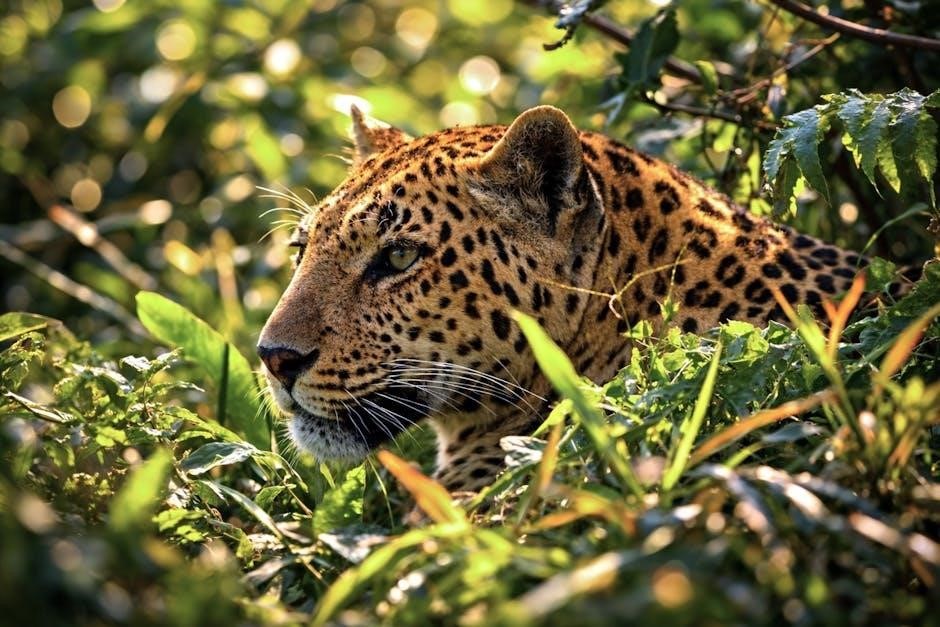
Beyond the Schedule: Digital Content
Explore Nat Geo Wild’s website and app for on-demand viewing‚ supplementing the TV guide․ Social media provides engaging content and updates about upcoming programs․
Nat Geo Wild Website & Streaming App
The Nat Geo Wild website (natgeowild․com) serves as a central hub for extending the television viewing experience․ Beyond the standard TV schedule‚ the site offers full episodes of many shows‚ bonus clips‚ and behind-the-scenes content not typically aired on the linear channel․ Users can often find extended cuts of documentaries and wildlife specials‚ providing a deeper dive into the featured subjects․
Complementing the website is the Nat Geo Wild streaming app‚ available on a wide range of devices including iOS‚ Android‚ Roku‚ Apple TV‚ and Amazon Fire TV․ The app mirrors much of the website’s content but offers the convenience of viewing on demand‚ anytime‚ anywhere with an internet connection․
Authentication with a participating cable‚ satellite‚ or streaming TV provider is often required to unlock the full library of content; Without authentication‚ users may still access a selection of free episodes and previews․ The app’s interface is designed for easy navigation‚ allowing viewers to browse by show‚ animal‚ or topic․ Personalized recommendations are also frequently offered based on viewing history․
Social Media Engagement
Nat Geo Wild actively cultivates a vibrant online community through various social media platforms‚ enhancing the TV guide experience beyond scheduled programming․ Facebook‚ Instagram‚ Twitter (now X)‚ and YouTube are key channels for engaging with viewers and promoting content․ Regular posts include show clips‚ stunning wildlife photography‚ and behind-the-scenes glimpses into filming expeditions․
Interactive content is a cornerstone of their social media strategy․ Live Q&A sessions with wildlife experts and filmmakers are frequently hosted‚ allowing fans to directly interact with the creators of their favorite shows․ Polls‚ quizzes‚ and contests further encourage participation and build excitement around upcoming premieres and specials․
Social media also serves as a crucial platform for disseminating real-time updates regarding schedule changes‚ breaking wildlife news‚ and conservation initiatives․ Hashtags related to specific shows or animals are actively used to facilitate discussions and allow viewers to easily find related content․ The platforms are also used to drive traffic to the Nat Geo Wild website and streaming app‚ promoting on-demand viewing options․
On-Demand Viewing Options
Nat Geo Wild offers extensive on-demand viewing options‚ supplementing the traditional TV guide with flexible access to its vast library of content; The Nat Geo Wild website and dedicated streaming app provide a convenient platform for catching up on missed episodes‚ revisiting favorite series‚ and discovering new programs․
A significant portion of the channel’s programming is available for streaming‚ including full episodes of documentary series‚ wildlife specials‚ and short-form videos․ Many providers also offer on-demand access through their cable or satellite boxes‚ extending viewing choices beyond live broadcasts․ Authentication with a TV provider subscription is often required to unlock the full on-demand catalog․
Furthermore‚ various digital retailers like Apple TV‚ Amazon Prime Video‚ and Google Play offer select Nat Geo Wild content for purchase or rental․ This provides viewers with additional flexibility and access to programs not readily available through traditional on-demand services․ These options cater to diverse viewing preferences and ensure content accessibility across multiple devices․

Future Programming & Trends
Upcoming documentaries will increasingly focus on conservation and environmental issues‚ leveraging IPv4/IPv6 for wider content delivery‚ mirroring NAT’s role in network access․
Upcoming Wildlife Documentaries
Nat Geo Wild’s 2026 documentary slate promises groundbreaking explorations into the planet’s most remote and challenging ecosystems․ Several projects are currently in production‚ focusing on previously unstudied animal behaviors and critical conservation efforts․ A major series‚ tentatively titled “Ocean’s Hidden Kingdoms‚” will utilize cutting-edge submersible technology to reveal the biodiversity of the deep sea‚ highlighting the impact of climate change on these fragile environments․
Another highly anticipated documentary‚ “The Snow Leopard’s Legacy‚” follows a team of researchers tracking snow leopard populations in the Himalayas‚ examining the challenges they face due to habitat loss and poaching․ This film will emphasize community-based conservation initiatives․ Furthermore‚ a special focusing on the migration patterns of monarch butterflies‚ titled “Wings Across Continents‚” will showcase the incredible journey and the threats to their survival․ These documentaries will not only entertain but also aim to raise awareness about the urgent need for wildlife protection‚ aligning with Nat Geo Wild’s commitment to environmental storytelling․
Focus on Conservation & Environmental Issues

Nat Geo Wild is increasingly dedicating significant airtime to programs highlighting critical conservation challenges and environmental concerns․ Beyond simply showcasing wildlife‚ the channel actively promotes awareness of human impact on ecosystems․ Upcoming broadcasts will feature extended segments within existing series‚ dedicated to spotlighting successful conservation projects and the scientists leading them․
A new initiative‚ “Guardians of the Wild‚” will profile individuals working on the front lines of wildlife protection‚ from anti-poaching units to researchers studying endangered species․ The channel also plans to partner with environmental organizations to offer viewers actionable steps they can take to support conservation efforts․ This commitment extends to addressing issues like habitat loss‚ climate change‚ and the illegal wildlife trade․ Nat Geo Wild aims to be more than just a source of entertainment; it strives to be a catalyst for positive change‚ inspiring viewers to become stewards of the planet․
The Role of NAT in Content Delivery (IPv4/IPv6)
Network Address Translation (NAT) plays a crucial‚ often unseen‚ role in delivering Nat Geo Wild’s content․ As IPv4 addresses are limited‚ NAT allows multiple devices within a home network to share a single public IP address‚ enabling access to streaming services․ However‚ NAT can introduce complexities‚ particularly with UDP-based connections‚ potentially impacting streaming quality․
The transition to IPv6 aims to alleviate these limitations by providing a vastly larger address space‚ reducing the necessity for NAT․ While full IPv6 adoption is ongoing‚ Nat Geo Wild’s content delivery network (CDN) is increasingly supporting IPv6 to improve connection reliability and reduce latency․ Understanding your NAT type (Open‚ Moderate‚ Strict) – particularly relevant for gaming consoles like Xbox – can help troubleshoot streaming issues․ Ultimately‚ NAT’s function is to bridge private networks to the public internet‚ facilitating access to captivating wildlife programming․