Panasonic Ducted Air Conditioning Manual: A Comprehensive Guide
Panasonic delivers innovative cooling solutions, and this manual provides essential guidance for optimal performance. It details installation, operation, maintenance, and troubleshooting for Panasonic ducted systems, ensuring lasting comfort and efficiency within your home or business.
Understanding Panasonic Ducted Systems
Panasonic’s ducted air conditioning systems represent a sophisticated approach to whole-home climate control. Unlike localized cooling solutions, these systems utilize a central unit connected to a network of ducts, discreetly distributing conditioned air throughout your property. This centralized approach offers consistent temperatures across all zones, enhancing comfort and eliminating hot or cold spots.
These systems are known for their energy efficiency, leveraging Panasonic’s advanced technologies. The core components include an outdoor condenser unit, an indoor air handling unit, and a system of ducts concealed within walls, ceilings, or floors. Proper installation, often requiring licensed professionals, is crucial for optimal performance and longevity. Understanding the interplay of these components is key to maximizing the benefits of your Panasonic ducted system, ensuring years of reliable and efficient operation.
What is Ducted Air Conditioning?
Ducted air conditioning is a whole-home heating and cooling system that utilizes a central unit to condition air and distribute it through a network of ducts; This contrasts with split systems, which cool individual rooms. A central unit, typically located outdoors, cools or heats air, which is then pumped through insulated ducts hidden within the building’s structure – walls, ceilings, and floors.
This method provides consistent temperature control throughout the entire property, offering a seamless and comfortable indoor environment. It’s a unique system, delivering conditioned air to multiple locations via the ductwork. While generally a larger initial investment compared to other options, ducted systems offer superior efficiency and convenience. Proper design and installation are vital for optimal performance, ensuring even air distribution and minimizing energy waste. It’s an indispensable solution for modern homes seeking comprehensive climate control.
Benefits of Panasonic Ducted Air Conditioning
Panasonic ducted air conditioning offers a multitude of advantages, starting with consistent, whole-home comfort delivered through discreet outlets. These systems are renowned for their energy efficiency, potentially lowering utility bills, especially when paired with Panasonic’s advanced technologies. The quiet operation ensures a peaceful indoor environment, unlike noisier window or portable units.
Furthermore, Panasonic systems enhance air quality through advanced filtration, removing dust, allergens, and pollutants. The aesthetic appeal is also a key benefit, as the system is largely hidden within the building’s structure. Zoning capabilities, a feature often available, allow for customized temperature control in different areas, maximizing comfort and energy savings. Investing in a Panasonic ducted system represents a long-term solution for reliable and efficient climate control, increasing property value and overall quality of life.
Panasonic’s AI Integration in Air Conditioning (CES 2026)
At CES 2026, Panasonic showcased its commitment to artificial intelligence within its air conditioning systems, revolutionizing home comfort. This integration translates into smarter, more responsive climate control, learning user preferences and adapting to environmental conditions in real-time. The AI algorithms optimize energy consumption, predicting cooling or heating needs before they arise, leading to significant cost savings.
Panasonic’s AI strategy extends beyond simple automation; it anticipates occupancy patterns and adjusts settings accordingly. This proactive approach ensures optimal comfort while minimizing energy waste. Demonstrations at CES 2026 highlighted the system’s ability to integrate with other smart home devices, creating a truly connected and intelligent living environment. This represents a significant leap forward in air conditioning technology, offering unparalleled convenience and efficiency for Panasonic customers.
Installation and Setup

Panasonic ducted air conditioning requires professional installation, often necessitating specific licenses. Proper ductwork design and initial system setup are crucial for optimal performance and longevity, ensuring efficient operation.
Professional Installation Requirements & Licensing
Panasonic strongly recommends professional installation for all ducted air conditioning systems. This isn’t merely a suggestion; it’s often a legal requirement, varying by location. All air conditioner installers are required to possess either a full or restricted license, demonstrating competency in refrigeration handling, electrical work, and ductwork installation.
Incorrect installation can void warranties and lead to significant performance issues, including reduced efficiency, uneven cooling/heating, and potential system failures. Licensed professionals understand local building codes, ensuring compliance and safety. They are trained to correctly size the system to your home’s square footage and insulation levels, optimizing performance and minimizing energy consumption.
Furthermore, proper refrigerant handling is critical for environmental protection and system longevity. Licensed technicians are certified to handle refrigerants safely and responsibly. Always verify the installer’s credentials before commencing any work to guarantee a quality and compliant installation.
Initial System Setup
Following professional installation, a thorough initial system setup is crucial for peak performance. Begin by verifying the correct electrical connections and ensuring the outdoor unit has adequate clearance for airflow. Power on the system and confirm the indoor unit fan operates as expected.
Next, familiarize yourself with the remote control and control panel, noting the various modes (cool, heat, auto, dry) and fan speed settings. Program the desired temperature settings and test each mode to confirm proper operation. Pay close attention to any unusual noises or smells during the initial run.
It’s also vital to register your Panasonic system online to activate the warranty. Finally, schedule a follow-up visit with your installer to address any questions or concerns and ensure the system is functioning optimally. This initial setup phase sets the foundation for years of reliable comfort.
Ductwork Considerations
Effective ductwork is paramount for a Panasonic ducted air conditioning system’s efficiency. Properly sized and sealed ducts minimize energy loss and ensure consistent temperature distribution throughout your home. Inspect ductwork for leaks, particularly at joints and connections, and seal them with approved duct tape or mastic.
Insulation is also critical; adequately insulated ducts prevent heat gain in summer and heat loss in winter. Consider the duct material – flexible ducts should be stretched taut to avoid airflow restriction. Ensure sufficient return air pathways are available to prevent negative pressure within the system.
Professional duct design considers room sizes, insulation levels, and window orientation. Poorly designed or maintained ductwork can significantly reduce system performance and increase energy bills. Regular duct cleaning is recommended to remove dust and debris, maintaining optimal airflow and indoor air quality.
Operation and Control
Panasonic ducted systems offer intuitive control via remote and control panels. Understanding these features allows for personalized comfort, efficient scheduling, and precise temperature management throughout your living spaces.
Using the Remote Control
Panasonic’s remote control is the primary interface for managing your ducted air conditioning system. Familiarize yourself with the button layout for effortless operation. The power button initiates system start-up and shutdown. Utilize the temperature up/down buttons to precisely set your desired comfort level.
Mode selection allows you to choose between cooling, heating, auto, dry, and fan-only operations. The ‘Fan Speed’ control offers multiple settings – auto, low, medium, and high – to customize airflow. The ‘Timer’ function enables programmed on/off schedules for energy savings and convenience.
Explore advanced features like ‘Sleep Mode’ for overnight comfort and ‘Economy Mode’ for optimized energy consumption. The remote also facilitates zone control, if your system supports it, allowing independent temperature adjustments in different areas of your home. Regularly replace the batteries to ensure consistent functionality. Refer to the detailed diagram within this manual for specific button identifications and their corresponding functions.
Understanding the Control Panel

Panasonic ducted air conditioning systems often feature a centralized control panel, supplementing the remote control’s functionality. This panel provides a localized interface for system management, displaying current operating status, set temperature, and selected mode. The panel’s touchscreen (or button-based) interface mirrors many remote control functions, including power, temperature adjustment, mode selection, and fan speed control.
Advanced panels may offer features like zone control override, allowing manual adjustments to individual zones directly from the panel. Error code displays provide immediate feedback on system issues, facilitating quicker troubleshooting. The panel often integrates with smart home systems, enabling remote control via smartphone apps.
Familiarize yourself with the panel’s layout and icons. Consult the manual’s diagram for detailed explanations of each function. Regularly check the panel for error messages and address any issues promptly to maintain optimal system performance. Proper understanding of the control panel enhances your overall control and convenience.
Programming Schedules and Timers
Panasonic ducted air conditioning systems offer sophisticated scheduling and timer functions, maximizing energy efficiency and comfort. These features allow you to pre-set operating times, aligning cooling or heating with your daily routine. The remote control and central control panel typically provide access to programming options.
You can create customized schedules with different settings for weekdays and weekends, or even individual days. Timers enable you to set a specific start or stop time for the system, ideal for pre-cooling before you arrive home or automatically turning off at bedtime. Advanced scheduling allows for multiple time slots per day, catering to varied occupancy patterns.
Carefully programming these features can significantly reduce energy consumption and lower utility bills. Refer to the manual for detailed instructions on setting up schedules and timers, ensuring optimal utilization of your Panasonic system’s capabilities.

Maintenance and Troubleshooting
Panasonic systems require routine upkeep for peak performance. This section details filter cleaning, coil maintenance, and guides you through diagnosing common issues using error codes for swift resolution.
Regular Filter Cleaning
Maintaining clean filters is paramount for the efficiency and longevity of your Panasonic ducted air conditioning system. Filters trap dust, pollen, and other airborne particles, preventing them from circulating throughout your home and damaging the internal components. Regular cleaning ensures optimal airflow, reducing strain on the system and lowering energy consumption.
Panasonic recommends checking your filters monthly, and cleaning or replacing them every 1-3 months, depending on usage and air quality. A visibly dirty filter significantly restricts airflow. To clean reusable filters, gently vacuum them or wash them with mild soap and water, ensuring they are completely dry before reinstalling. Disposable filters should be replaced with a new Panasonic-approved filter of the correct size and type.
Ignoring filter maintenance can lead to reduced cooling capacity, increased energy bills, and potential system failures. Always consult your specific model’s manual for detailed filter location and cleaning instructions. Proper filter care is a simple yet crucial step in preserving your investment.
Coil Cleaning Procedures
Maintaining clean evaporator and condenser coils is vital for optimal performance of your Panasonic ducted air conditioning system. Over time, coils accumulate dust and debris, hindering heat transfer and reducing cooling efficiency. Regular cleaning ensures consistent temperature control and extends the lifespan of your unit.
Panasonic recommends professional coil cleaning annually, though frequency may vary based on environmental factors. Do not attempt to clean coils yourself without proper training, as damage can occur. A qualified technician will use specialized tools and cleaning solutions to safely remove dirt and grime. They will also inspect the coils for any signs of corrosion or damage.
Dirty coils force the system to work harder, increasing energy consumption and potentially leading to compressor failure. Ignoring coil maintenance can significantly shorten the system’s lifespan and result in costly repairs. Professional cleaning ensures optimal heat exchange and maintains the efficiency of your Panasonic system.
Troubleshooting Common Issues (Error Codes)
Panasonic ducted air conditioning systems utilize error codes to diagnose potential problems. These codes, displayed on the control panel or remote, provide valuable insights for troubleshooting. Consult your system’s specific error code list within this manual for detailed explanations.
Common issues include restricted airflow (indicated by codes relating to fan malfunction), refrigerant leaks (often signaled by compressor errors), and electrical problems. Do not attempt to repair electrical components yourself; always contact a qualified technician. Ignoring error codes can lead to further damage and costly repairs.
Before contacting service, try resetting the system by turning it off and on. Check air filters for blockage, as this is a frequent cause of airflow errors. Record the error code before calling for assistance, as this will expedite the diagnostic process. Panasonic prioritizes safety and recommends professional repair for all but the simplest issues.

Cost and Lifespan
Panasonic ducted systems represent a significant investment, ranging from $6,000 upwards. System longevity varies, but Consumer Reports data suggests a lifespan of 15-20 years with proper maintenance.
Ducted System Cost Comparison
Panasonic ducted air conditioning systems typically represent a larger upfront investment compared to other cooling solutions. While small split systems can fall within the $600-$750 range, a fully installed ducted system generally starts around $6,000 and can significantly increase based on several factors.
These factors include the size of the area being cooled, the complexity of the ductwork required, and any additional features such as zoning capabilities or smart home integration. Professional installation is crucial and adds to the overall cost, as all installers are legally required to possess appropriate full or restricted licenses.
Compared to window units or portable air conditioners, ducted systems offer whole-home comfort and increased energy efficiency, potentially offsetting the higher initial expense over the system’s lifespan. A detailed cost analysis, considering long-term energy savings and potential increases in property value, is recommended before making a final decision.
Expected System Lifespan & Consumer Reports Data
Determining the longevity of a ducted air conditioning system is a key consideration for homeowners. Generally, a well-maintained Panasonic ducted system can be expected to last between 15 to 20 years. However, this lifespan is not guaranteed and is heavily influenced by usage, maintenance practices, and environmental factors.
Consumer Reports actively measures and tracks the reliability of various air conditioning systems, providing valuable data for potential buyers. Their findings highlight the importance of regular maintenance, such as filter cleaning and coil servicing, in maximizing system lifespan and minimizing repair costs.
Data suggests that consistent preventative maintenance can add several years to the operational life of a unit; Ignoring routine upkeep can lead to decreased efficiency, increased energy bills, and premature component failure. Investing in professional servicing alongside diligent homeowner maintenance is crucial for achieving the full expected lifespan of your Panasonic system.
Factors Affecting System Longevity
Several key factors significantly impact the lifespan of your Panasonic ducted air conditioning system. Climate plays a crucial role; systems in harsh environments with extreme temperatures or high humidity will likely experience greater wear and tear. Regular usage also contributes – more frequent operation naturally shortens the lifespan compared to infrequent use.
However, the most significant factor is maintenance. Neglecting filter cleaning, coil servicing, and ductwork inspections leads to reduced efficiency and increased strain on components. Water quality impacting the system, particularly in areas with hard water, can cause corrosion and scaling, shortening its operational life.
Furthermore, the quality of initial installation is paramount. Improper ductwork sealing or incorrect refrigerant charging can cause long-term problems. Finally, power surges and fluctuations can damage sensitive electronic components. Protecting your system with surge protection is a wise investment for extended longevity.

Advanced Features & Technologies
Panasonic integrates cutting-edge AI and energy efficiency technologies into its ducted systems, offering smart home compatibility and precise zone control for optimized comfort and savings.
Panasonic’s Energy Efficiency Technologies
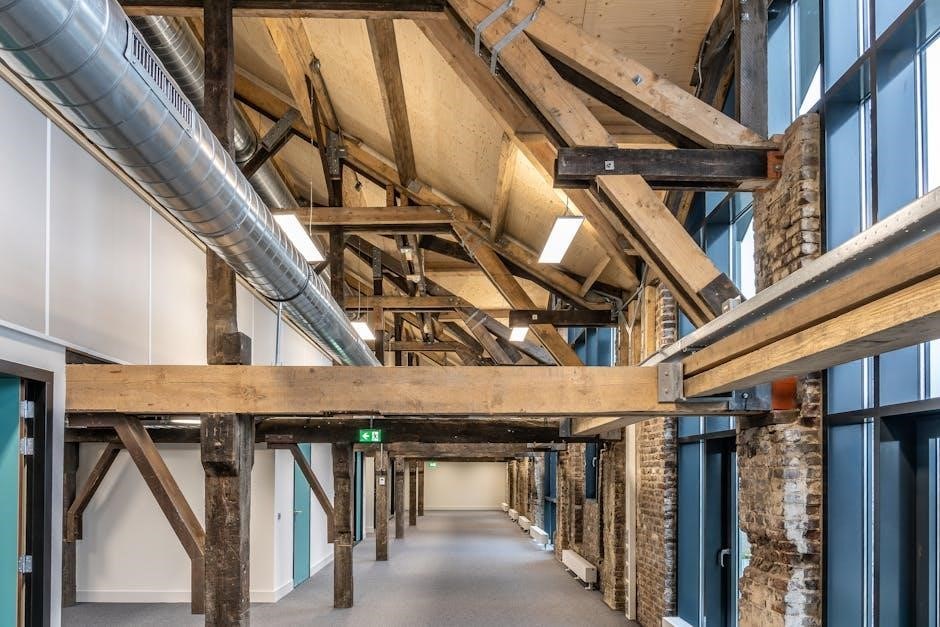
Panasonic’s commitment to sustainability shines through its advanced energy efficiency technologies integrated within its ducted air conditioning systems. These innovations are designed not only to deliver superior comfort but also to minimize environmental impact and reduce operational costs for consumers. A core component is the utilization of high-efficiency compressors, meticulously engineered to consume less energy while maintaining powerful cooling and heating capabilities.
Furthermore, Panasonic employs sophisticated inverter technology, allowing the system to adjust cooling output based on real-time demand, avoiding energy-wasting on-off cycles. Smart sensors and AI algorithms, showcased at CES 2026, further optimize performance by learning usage patterns and proactively adjusting settings. The systems also feature eco-mode settings, prioritizing energy conservation without sacrificing comfort. These technologies collectively contribute to significant energy savings, aligning with growing consumer demand for environmentally responsible solutions and potentially lowering utility bills.
Smart Home Integration Capabilities
Panasonic ducted air conditioning systems are designed for seamless integration into modern smart home ecosystems, enhancing convenience and control. Compatibility with leading platforms allows users to manage their climate remotely via smartphones, tablets, or voice assistants. This connectivity extends beyond simple on/off functionality, enabling adjustments to temperature, fan speed, and operating modes from anywhere with an internet connection.
The systems, as demonstrated at CES 2026 with Panasonic’s AI strategy, can be integrated with other smart devices, creating automated scenarios. For example, the air conditioning can automatically adjust based on occupancy sensors or weather forecasts. Users can also monitor energy consumption data through the smart home app, promoting informed decision-making and potential cost savings. This level of integration provides a truly personalized and efficient climate control experience, aligning with the evolving demands of the connected home.
Zone Control Functionality
Panasonic ducted air conditioning systems offer advanced zone control functionality, allowing for independent temperature management in different areas of your home. This feature optimizes comfort and energy efficiency by directing cooling or heating only where and when it’s needed. Unlike traditional systems that treat the entire house as a single zone, Panasonic’s zoning capabilities enable personalized climate settings for each room or designated area.
This is achieved through the use of dampers within the ductwork, controlled by a central system or individual thermostats. Users can create customized schedules for each zone, ensuring optimal comfort during occupied hours and energy savings when areas are unoccupied. This targeted approach minimizes wasted energy and reduces overall operating costs. Zone control is particularly beneficial for homes with varying sun exposure or differing occupancy patterns, providing a tailored climate solution for every lifestyle.